
Tooth Sensitivity Treatment Abu Dhabi
Tooth Sensitivity Treatment Abu Dhabi
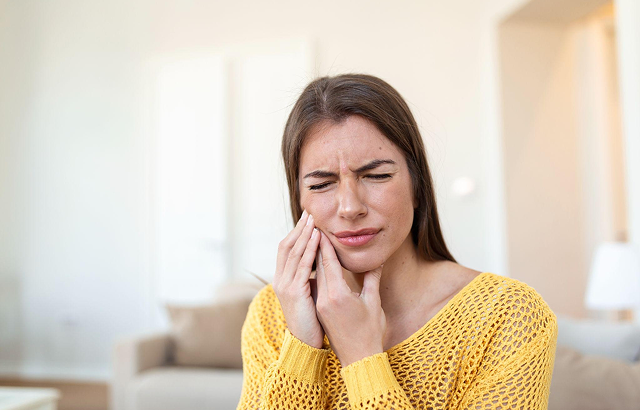
Why Do Teeth Become Sensitive Suddenly? Causes & Treatment
Sudden tooth sensitivity can make everyday activities uncomfortable. A sip of cold water, hot coffee, sweet foods, or even brushing your teeth may trigger sharp pain or discomfort unexpectedly.Tooth sensitivity is one of the most common complaints at dental clinics across Abu Dhabi, and one of the most misunderstood. Many patients assume it's minor and ignore it. That can be a costly mistake.
At Thomas Dental Centre, Abu Dhabi's DOH-certified dental clinic operating since 2003, our dentists diagnose and treat tooth sensitivity every single day. In this guide, we explain exactly what causes it, what the symptoms mean, when it becomes an emergency and all the treatment options available to you.
What Is Tooth Sensitivity? The Science in Simple Terms
Every tooth has multiple layers. The outermost visible layer is enamel, the hardest substance in the human body. Beneath it is dentin, a porous layer that contains thousands of microscopic channels called dentinal tubules. These tubules connect directly to the tooth's nerve centre (the pulp).
When enamel wears away or gums recede, dentin becomes exposed. Any stimulus hot, cold, sweet, acidic, or even a blast of air, travels through those tiny tubules and triggers a pain signal at the nerve. This is clinically known as dentinal hypersensitivity.
The key word in your question is "suddenly". When sensitivity appears without warning, it almost always signals a specific, diagnosable cause, not just 'sensitive teeth' in general. Identifying that cause is the first step to fixing it permanently.
Most Common Causes of Sudden Tooth Sensitivity
Several dental conditions and lifestyle habits can lead to sudden tooth sensitivity.
1. Enamel Erosion
Enamel erosion occurs when the protective outer layer of the teeth gradually wears away due to:
● Acidic foods and drinks
● Carbonated beverages
● Aggressive brushing
● Acid reflux
● Teeth grinding
As enamel becomes thinner, the inner dentin layer gets exposed, making teeth more sensitive to external triggers.
Typical Sensation:
● Sensitivity to cold foods and drinks
● Pain when consuming sweet or sour foods
● Gradual discomfort that may suddenly worsen over time
2. Gum Recession
Gum recession happens when gum tissue pulls away from the teeth, exposing the root surfaces that lack enamel protection.
Common contributing factors include:
● Improper brushing technique
● Smoking
● Poor oral hygiene
● Aging
Typical Sensation:
● Sharp pain near the gum line
● Sensitivity to cold air and cold drinks
● Discomfort while brushing teeth
3. Cracked Tooth
Even small cracks in a tooth can allow temperature changes and pressure to irritate the tooth nerve through tiny openings.
Cracked teeth may develop due to:
● Biting hard foods
● Teeth grinding
● Dental trauma
● Accidents or injuries
Typical Sensation:
● Sharp, localized pain in one tooth
● Pain while chewing or biting
● Sensitivity to hot or cold foods
4. Tooth Decay (Cavities)
Cavities occur when bacteria gradually destroy tooth enamel and dentin. As decay progresses closer to the nerve, sensitivity often increases.
Early warning signs may include:
● Dark spots on teeth
● Food getting trapped
● Mild toothache
● Sensitivity to sweets
Typical Sensation:
● Sensitivity to cold and sugary foods
● Occasional throbbing pain
● Increased discomfort as decay worsens
5.Bruxism (Teeth Grinding)
Teeth grinding, also known as bruxism , can wear down enamel and weaken tooth structure over time.
Many people grind their teeth unconsciously during sleep.
Typical Sensation:
● Widespread sensitivity across several teeth
● Morning jaw discomfort
● Tooth soreness after waking up
● Increased sensitivity to temperature changes
6. Recent Dental Treatment
Some dental procedures may temporarily irritate tooth nerves and cause short-term sensitivity. This may occur after:
Typical Sensation:
● Mild temporary sensitivity
● Increased reaction to cold or hot foods
● Discomfort lasting several days or weeks
7. Gum Disease (Periodontitis)
Periodontal disease damages the gums and supporting bone structures around the teeth, often leading to root exposure and sensitivity.
Common symptoms include:
● Bleeding gums
● Swollen gums
● Persistent bad breath
● Loose teeth
● Gum recession
Typical Sensation:
● Tooth sensitivity with gum discomfort
● Pain near exposed roots
● Sensitivity combined with inflamed gums
8. Worn or Faulty Fillings
Old dental fillings can develop tiny cracks or gaps over time, allowing temperature changes and bacteria to affect the tooth.
Typical Sensation:
● Sensitivity in a previously treated tooth
● Sharp pain when eating cold foods
● Occasional discomfort while chewing
9. Tooth Whitening Products
Whitening products often contain peroxide-based ingredients that temporarily increase tooth sensitivity by opening microscopic dentinal tubules.
Typical Sensation:
● Sudden sensitivity during or after whitening
● Mild pain with cold drinks
● Temporary discomfort usually lasting 24–72 hours
Understanding the underlying cause of tooth sensitivity is essential for choosing the right treatment. our DOH-licensed dentists carefully evaluate enamel health, gum condition, and tooth structure to provide personalized tooth sensitivity treatment plans for long-term relief.
When Tooth Sensitivity Becomes a Dental Emergency?
Sensitivity alone is not always urgent. But see a dentist the same day if you experience:
● Spontaneous, throbbing pain that occurs without any trigger
● Pain that lingers for 30+ seconds after the stimulus is removed
● Sensitivity in a tooth that was previously root-canal treated
● Swelling of the gum around or below a sensitive tooth
● Visible darkening, crack, or hole in the tooth surface
● Sensitivity accompanied by fever or facial swelling
These signs indicate pulp infection, abscess, or nerve damage, conditions that worsen rapidly without treatment.
Foods and Habits That Can Worsen Tooth Sensitivity
Certain habits may increase enamel damage and sensitivity:
● Brushing too hard
● Using hard-bristled toothbrushes
● Frequent acidic drinks
● Excessive teeth whitening
● Smoking
● Poor oral hygiene
● Grinding teeth
Making small lifestyle adjustments can help reduce discomfort and protect tooth enamel.
Treatment Options for Tooth Sensitivity
The most effective treatment for tooth sensitivity depends entirely on the underlying cause.our dentists perform a detailed examination to identify the exact reason behind your discomfort before recommending a personalized treatment plan.
1. Desensitising Toothpaste
For patients with mild enamel wear or early-stage sensitivity, desensitising toothpaste may be recommended as part of home care.
These specially formulated toothpastes contain ingredients such as:
● Potassium nitrate
● Stannous fluoride
They help block microscopic dentinal tubules and reduce nerve stimulation inside the tooth.
2. Professional Fluoride Varnish Treatment
Professional fluoride applications help strengthen weakened enamel and reduce nerve sensitivity.
During this treatment, a highly concentrated fluoride varnish is applied directly to the affected teeth to:
● Harden enamel surfaces
● Protect exposed dentin
● Reduce nerve excitability
Many patients experience partial immediate relief after treatment.
3. Dental Bonding or Sealants
When gum recession exposes sensitive root surfaces, tooth-colored bonding materials or dental sealants can be applied to protect exposed areas. The bonded resin acts as a physical barrier that blocks external stimuli from reaching the tooth nerves.
4. Dental Fillings or Restorations
If cavities, enamel damage, or cracked teeth are causing sensitivity, restorative treatment may be necessary. The damaged or decayed portion of the tooth is carefully removed, and the area is restored using tooth-colored dental fillings.
5. Dental Crown Placement
For severely worn, cracked, or structurally weakened teeth, dental crowns may provide long-term protection. A custom-made ceramic crown fully covers the tooth and seals exposed sensitive surfaces.
6. Scaling and Deep Cleaning (Root Planing)
When gum disease contributes to tooth sensitivity, professional periodontal treatment may be recommended. Scaling and root planing remove plaque and tartar buildup from below the gum line, helping the gums heal and reducing root exposure.
7. Night Guard for Teeth Grinding (Bruxism)
Patients who grind or clench their teeth during sleep may benefit from a custom-made night guard.
8. Gum Graft Surgery
In cases of severe gum recession, gum graft surgery may be necessary to cover exposed roots and restore gum tissue. Healthy donor tissue is carefully placed over the exposed root surfaces to improve protection and reduce sensitivity.
9. Root Canal Treatment
If tooth sensitivity is caused by irreversible nerve inflammation or deep infection, root canal treatment may be required. During this procedure, the infected nerve tissue is removed, the root canal is disinfected, and the tooth is sealed to prevent reinfection.
How to Prevent Tooth Sensitivity Long-Term
● Use a soft-bristled toothbrush and brush in gentle, circular motions, never scrub horizontally across the gum line
● Switch to fluoride toothpaste formulated for sensitivity if you notice occasional discomfort
● Limit acidic drinks (citrus juices, carbonated drinks, sports drinks) and rinse with water immediately after consuming them
● Drink at least 2.5–3 litres of water daily, which is especially critical during Abu Dhabi summers and Ramadan fasting
● Wear a custom night guard if you grind your teeth, even if you're not aware of it (a dentist can identify the signs)
● Schedule a dental check-up and professional cleaning every 6 months
● Do not use whitening strips without consulting a dentist OTC products frequently cause sudden sensitivity due to improper concentration and application time
Don't Ignore Sudden Sensitivity
Sudden tooth sensitivity is your mouth's way of telling you something has changed structurally. It might be minor, a thin patch of enamel finally crossed a threshold. Or it might be serious, a cracked tooth, an advancing cavity, or the early stage of a gum infection.
Either way, guessing is not a strategy. A 30-minute clinical examination gives you certainty, a diagnosis, and a treatment plan which almost always stops the problem from becoming more expensive and more painful. With over 20 years of trusted dental care experience, Thomas Dental Centre continues to provide Abu Dhabi patients with that certainty. Our doors are open six days a week. Come in, and leave knowing exactly what's happening and exactly how to fix it. Or contact our team for guidance.
It depends on the cause. Sensitivity triggered by temperature that fades quickly is often manageable with conservative treatment. However, if the pain is spontaneous, severe, or lingers after the stimulus is removed, it may indicate a nerve infection or crack, both of which need urgent attention. When in doubt, call us.
Sometimes. Post-whitening sensitivity and sensitivity after dental procedures typically resolve within days to weeks. But sensitivity caused by decay, gum disease, or cracks will not improve without treatment, and it will get worse. Don't wait more than two weeks if sensitivity persists.
Cold sensitivity usually indicates exposed dentin with reversible nerve irritation. Heat sensitivity that lingers after the stimulus is removed often signals deeper nerve inflammation (irreversible pulpitis), a possible precursor to abscess. If heat triggers a prolonged ache, contact us promptly.
Yes, particularly a sudden increase in acidic or sugary foods. Citrus fruits, vinegar-based dressings, carbonated drinks, and even some herbal teas accelerate enamel erosion. A single acidic binge, such as iftar with multiple fruit juices, can push teeth already close to the sensitivity threshold over the edge.
Children's enamel is thinner than adult enamel, making them more susceptible to sensitivity. Common causes in children are new permanent teeth, which have larger pulp chambers, early decay, and aggressive brushing. Bring them in, our paediatric dentistry team will identify the cause and recommend safe, child-appropriate treatment.