
Bleeding Gums? Early Signs of Gum Disease in Abu Dhabi
Bleeding Gums? Early Signs of Gum Disease in Abu Dhabi
Early Signs of Gum Disease in Abu Dhabi and How to Treat Them
Gum disease is one of the most common yet most ignored oral health problems in Abu Dhabi. Many patients dismiss bleeding gums, mild swelling, or bad breath as temporary issuesuntil they progress into serious infections, gum recession, and even tooth loss. Understanding the early signs of gum disease and seeking timely care can protect both your smile and overall health.
At Thomas Dental Centre, we help patients identify gum problems early and treat them effectively using advanced periodontal care. Early intervention is the key to avoiding pain, complex procedures, and long-term complications.
What Is Gum Disease?
Gum disease, medically known as periodontal disease, is a bacterial infection that affects the gums and the supporting structures of the teeth. It usually develops gradually and often without pain in its early stages, making it easy to overlook.
The Two Main Stages of Gum Disease
● Gingivitis – The early and reversible stage marked by redness, swelling, and bleeding gums
● Periodontitis – An advanced stage where gums pull away from teeth, bone loss begins, and teeth may loosen
When detected early, gum disease is highly manageable. When ignored, it can permanently damage your oral health.
Early Signs of Gum Disease You Shouldn’t Ignore
Many patients in Abu Dhabi experience gum disease symptoms without realising their seriousness. Watch out for these early warning signs:
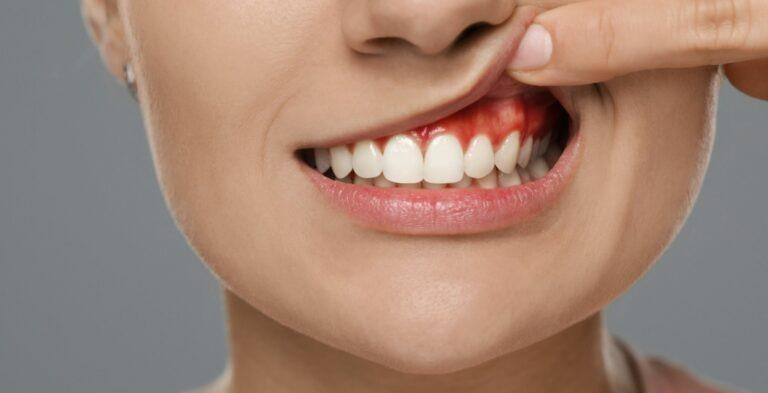
Bleeding Gums
Bleeding while brushing or flossing is not normal. It is often the first sign of gum inflammation caused by plaque buildup.
Red, Swollen, or Tender Gums
Healthy gums are firm and pink. Swollen or sore gums indicate infection beneath the gumline.
Persistent Bad Breath
Chronic bad breath or a bad taste in the mouth can signal bacteria trapped below the gums.
Gum Recession
If your teeth appear longer or roots become visible, gum tissue may be receding due to disease.
Tooth Sensitivity
Sensitivity to hot or cold foods may occur when gums recede and expose tooth roots.
Changes in Bite or Loose Teeth
This is a late but serious sign that infection has begun affecting the supporting bone.
Ignoring these symptoms increases the risk of tooth loss, abscess formation, and costly treatments later.
Why Gum Disease Is Common in Abu Dhabi?
Several local factors contribute to higher rates of gum disease:
● Dry climate causing dehydration and reduced saliva flow
● Busy lifestyles leading to delayed dental visits
● Smoking or shisha use
● Poor oral hygiene habits
● Diabetes and stress-related immunity issues
Regular dental check-ups are essential to counter these risks.
Why Early Treatment Matters?
Treating gum disease early helps you:
● Prevent permanent gum and bone damage
● Avoid tooth loss
● Reduce the risk of painful infections
● Protect overall health (gum disease is linked to heart disease and diabetes)
● Maintain a confident smile and fresh breath
Delaying treatment often leads to surgical procedures that could have been avoided.
How Gum Disease Is Treated at Thomas Dental Centre?
Our periodontal care is personalised based on the severity of your condition.
Professional Scaling and Root Planning
Deep cleaning removes plaque and tartar from below the gumline and smoothens root surfaces to prevent bacteria from reattaching.
Antibiotic Therapy
Targeted medications help control infection and reduce inflammation.
Advanced Gum Disease Treatment
For more advanced cases, we provide specialised gum disease treatment tailored to stabilise gum health and prevent further progression.
Aesthetic Gum Correction
For patients with gum recession or uneven gum lines, aesthetic gum correction improves both function and appearance.
Daily Habits to Prevent Gum Disease
You can significantly reduce your risk by:
● Brushing twice daily with a soft toothbrush
● Flossing once a day
● Using an antibacterial mouthwash
● Quitting smoking
● Managing diabetes and stress
● Visiting your dentist every six months
Small daily habits make a big difference over time.
When Should You See a Dentist?
You should book a dental visit if you notice:
● Bleeding gums
● Persistent bad breath
● Gum swelling or pain
● Loose teeth
● Pain while chewing
Early diagnosis means simpler, more comfortable treatment.
Take Action Before Gum Disease Worsens
Gum disease doesn’t heal on its own and waiting only increases the risk of permanent damage. Early treatment protects your teeth, gums, and overall health while keeping treatment simple and affordable.
At Thomas Dental Centre, our experienced team uses modern periodontal techniques to diagnose and treat gum disease at every stage. Book your consultation today and take the first step toward healthier gums and a confident smile.
FAQs
1. Are bleeding gums always a sign of gum disease?
Bleeding gums usually indicate inflammation caused by plaque buildup. While occasional bleeding may improve with better hygiene, persistent bleeding often signals gingivitis or early gum disease and requires professional cleaning to prevent progression.
2. Can gum disease be cured completely?
Gingivitis, the earliest stage, is reversible with timely care. Advanced gum disease (periodontitis) cannot be fully cured but can be controlled with professional treatment and consistent oral hygiene to maintain long-term gum health.
3. Is gum disease painful?
Early gum disease is often painless, which is why many people ignore it. Pain usually appears in advanced stages when infection spreads. Regular check-ups help detect gum disease before discomfort begins.
4. How often should I get my gums checked?
Most patients should have their gums checked every six months. Those with risk factors like smoking, diabetes, or previous gum disease may need more frequent periodontal evaluations.