
Clear Aligners vs Braces in Abu Dhabi: Which Suits You
Clear Aligners vs Braces in Abu Dhabi: Which Suits You
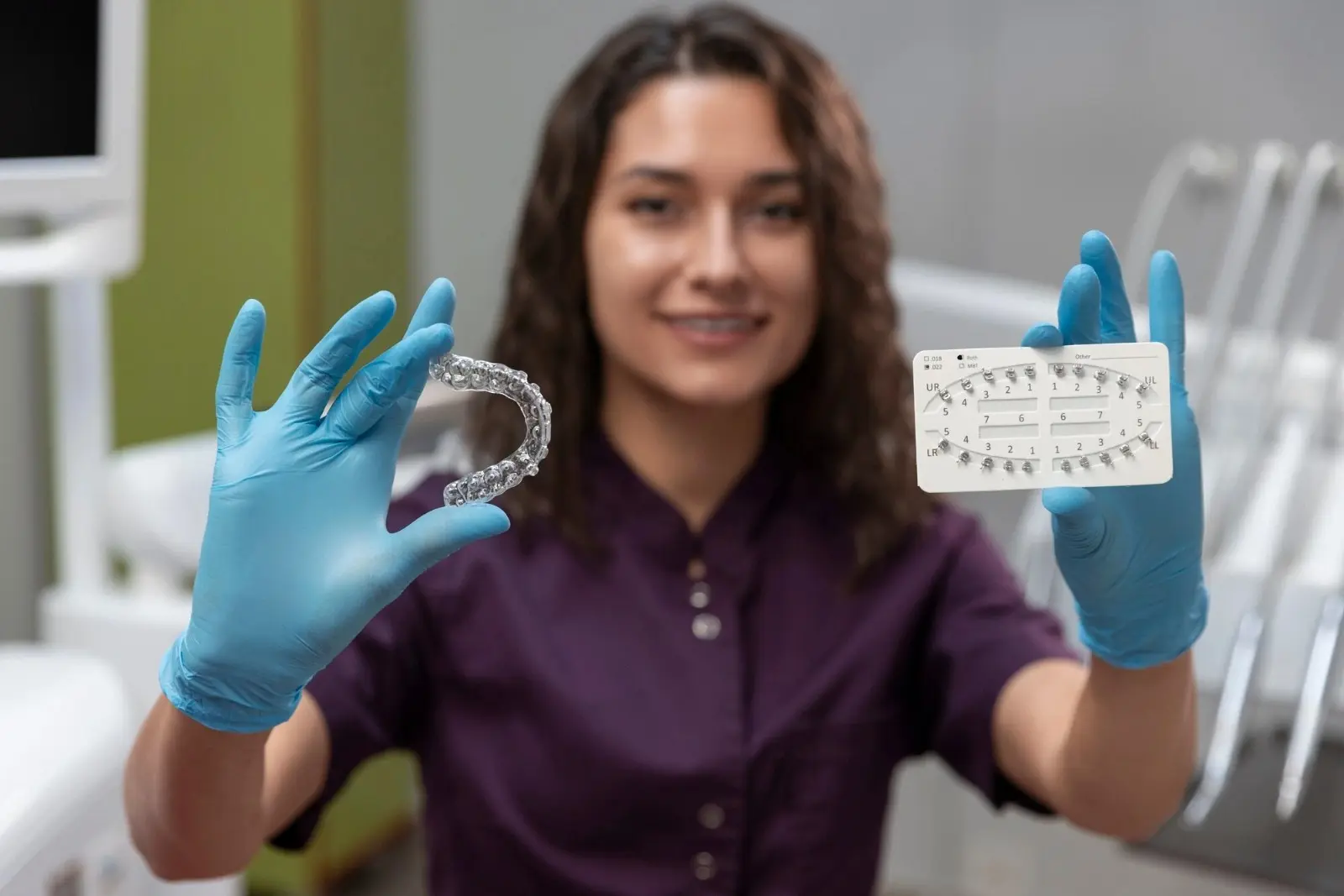
Clear Aligners vs Traditional Braces in Abu Dhabi: Which Is Right for You?
Choosing the right orthodontic treatment is not just about straightening teeth it’s about comfort, confidence, lifestyle, and long-term oral health. With modern orthodontics evolving rapidly, patients in Abu Dhabi often face one important question: Should I choose clear aligners or traditional braces? Orthodontic specialists in Abu Dhabi help patients choose the right teeth-straightening solution for their lifestyle and dental needs.
At Thomas Dental Centre, we guide patients through this decision with clarity, clinical expertise, and personalised treatment planning
 Understanding Orthodontic Treatment Options
Orthodontic treatment corrects misaligned teeth, bite problems, spacing issues, and jaw irregularities. Left untreated these issues may lead to gum disease, tooth wear, jaw pain, and speech difficulties.
Today, patients can choose between:
● Clear aligners
● Traditional braces (metal, ceramic, or lingual)
Each option has its own advantages depending on age, lifestyle, and dental complexity.
What Are Clear Aligners?
Clear aligners are transparent, removable trays custom-designed to gradually move teeth into proper alignment. Clear aligners in Abu Dhabi offer discreet orthodontic treatment for teens and adults. They are especially popular among working professionals, students, and patients who prefer a nearly invisible solution.
Key Features of Clear Aligners
● Transparent and discreet
● Removable for eating and cleaning
● Digitally planned treatment stages
● Smooth, comfortable material
Benefits of Clear Aligners
Clear aligners are designed to fit seamlessly into modern lifestyles.
1. Nearly Invisible Appearance
Aligners are barely noticeable, making them ideal for social and professional settings.
2. Comfortable Experience
No metal brackets or wires means fewer mouth sores and less irritation.
3. Easy Oral Hygiene
You can remove aligners to brush and floss normally, reducing the risk of cavities and gum problems.
4. Fewer Clinic Visits
Digitally planned aligner treatments often require fewer adjustment appointments.
What Are Traditional Braces?
Traditional braces use brackets and wires fixed to the teeth to guide movement over time. They remain one of the most effective solutions for complex orthodontic cases.
Traditional braces correct severe alignment and bite issues with high precision.
Types of braces include:
● Lingual braces (behind the teeth)
Despite newer alternatives, braces remain highly reliable.
1. Effective for Complex Cases
Braces handle severe crowding, jaw misalignment, and complex bite corrections better than aligners in some cases.
2. No Compliance Issues
Since braces are fixed, treatment doesn’t depend on patient wear discipline.
3. Cost-Effective Options
Metal braces are often more affordable compared to aligners.
Clear Aligners vs Traditional Braces: Key Differences
Feature | Clear Aligners | Traditional Braces |
Appearance | Nearly invisible | Visible |
Comfort | Smooth, removable | May cause irritation |
Hygiene | Easy to maintain | Requires extra care |
Discipline | Requires daily wear | Fixed |
Complexity | Mild–moderate cases | Mild–severe cases |
Lifestyle | Flexible | More restrictions |
Orthodontic dentists in Abu Dhabi evaluate dental complexity before recommending treatment
Which Option Is Better for Adults in Abu Dhabi?
Adults often prefer clear aligners because:
● Professional appearance matters
● Social confidence is important
● Removable convenience suits busy schedules
However, adults with severe bite issues may benefit more from braces.
Which Option Is Better for Teenagers?
Teen orthodontic care depends on responsibility and dental needs.
Responsible teens → aligners may work well
Active teens or complex cases → braces may be better Parents should consult an orthodontist for a personalised assessment.
Treatment Duration: Aligners vs Braces
Treatment time varies based on complexity.
● Clear aligners: 6–18 months (average cases)
● Braces: 12–24 months (complex cases)
Cost Comparison in Abu Dhabi
Costs depend on treatment length and case complexity.
● Clear aligners: Higher upfront cost, advanced technology
● Braces: More affordable options available
A professional consultation provides accurate pricing and flexible payment options.
How Orthodontists Decide the Right Option for You
Dental specialists assess alignment, bite, lifestyle, and expectations before treatment.
During consultation, orthodontists evaluate:
● Tooth and jaw alignment
● Oral hygiene habits
● Commitment to wearing aligners
● Aesthetic preferences
Why Choose Thomas Dental Centre for Orthodontic Care?
Thomas Dental Centre combines technology, expertise, and patient-focused care.
Thomas Dental Centre provides customised orthodontic solutions for Abu Dhabi residents.
We offer:
● Experienced orthodontists
● Digital smile simulations
● Clear aligners and advanced braces
● Transparent treatment planning
● Ongoing patient support
Book Your Orthodontic Consultation in Abu Dhabi
Choosing between clear aligners and traditional braces doesn’t have to be confusing. With expert guidance, you can achieve a healthy, confident smile that fits your lifestyle and expectations. At Thomas Dental Centre, our orthodontists take time to understand your needs, explain every option, and design a treatment plan that delivers lasting results. Schedule your personalised orthodontic consultation today
Clear aligners are highly effective for mild to moderate alignment issues when worn consistently. However, traditional braces are often better for complex bite problems or severe misalignment that requires precise control.
Yes, clear aligners are generally more comfortable because they don’t use metal brackets or wires. You may feel mild pressure during adjustments, but irritation and mouth sores are significantly reduced compared to braces.
Yes. Since clear aligners are removable, you can eat all your favorite foods without restrictions. Unlike braces, there’s no need to avoid hard or sticky foods.
A professional orthodontic consultation is essential. Your dentist will evaluate your alignment, bite complexity, lifestyle, and goals to recommend the most suitable option—either clear aligners or traditional braces.