
Dental Implants in Abu Dhabi: What Patients Should Expect Step by Step

BDS MImpDentRCSED (UK) · Dental Surgeon, Implantologist, Thomas Dental Centre
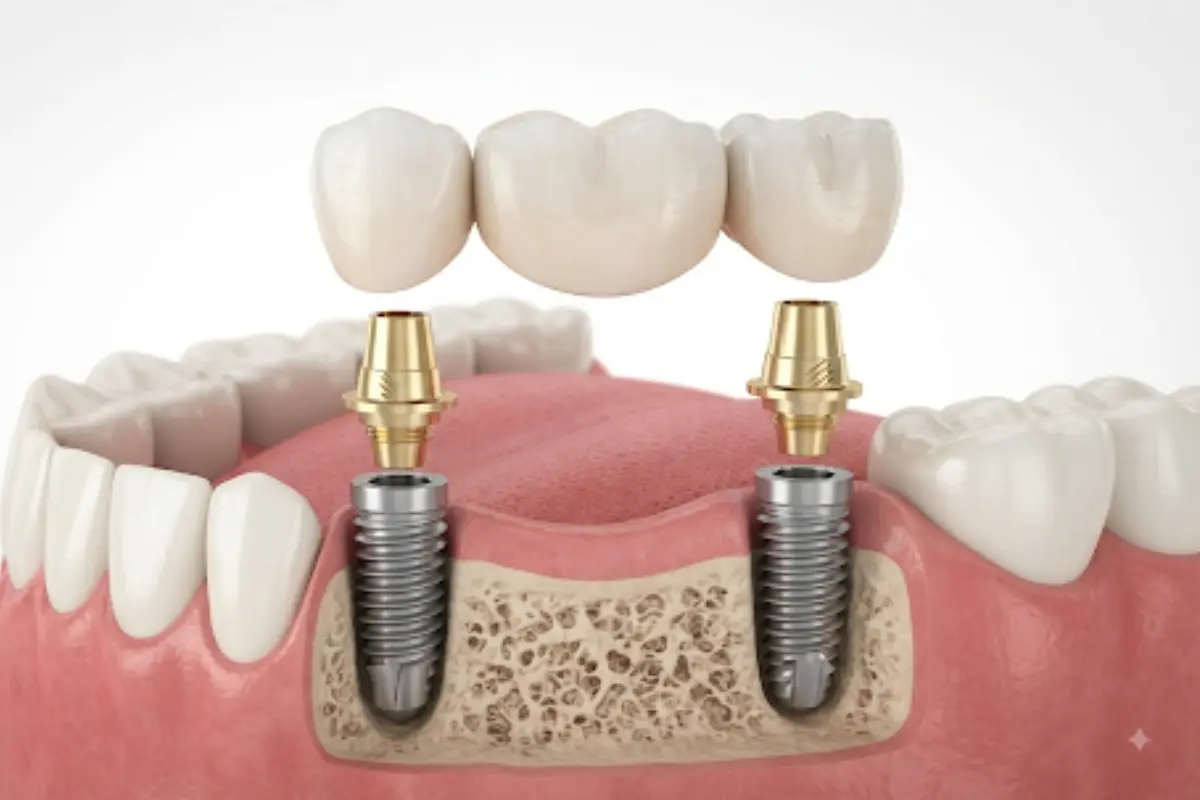
Missing teeth can affect chewing, speech, confidence, and everyday comfort. Dental implants are one option for replacing missing teeth with a stable foundation for a restoration. Understanding the treatment journey can help patients know what may happen at each stage.
The process usually begins with an oral examination and treatment planning. Dental X-rays or 3D CBCT imaging may be used to assess the teeth, gums, and available jawbone. In some cases, tooth extraction or other preparatory treatment may be needed before implant placement.
After the implant is placed, the surrounding bone needs time to heal and integrate with it. Once healing is sufficient, a crown, bridge, or denture can be attached to complete the restoration. The exact sequence and timing depend on the patient's oral health, bone condition, and treatment needs.
What Are the Benefits of Dental Implants?
Dental implants are designed to replace the root portion of a missing tooth and provide support for a dental restoration. Because the implant is positioned within the jawbone, it can provide a stable base for chewing and speaking when treatment heals successfully.
Another potential benefit is that implants can help restore everyday oral function while supporting the appearance of the smile. Their design allows the implant to integrate with the surrounding bone, creating a firm foundation for the replacement tooth.
Implant treatment can involve a single missing tooth, several missing teeth, or more extensive tooth replacement. Options such as implant-supported bridges, dentures, All-on-4, or All-on-6 may be considered depending on the individual situation. More complex options, such as zygomatic implants, are generally reserved for selected cases where conventional bone support is limited.
The most suitable approach depends on factors such as gum health, jawbone condition, the number of missing teeth, bite requirements, medical history, and the type of restoration being planned.
Step-by-Step Dental Implant Procedure
Phase 1: Consultation & Assessment
The first stage involves a detailed oral assessment rather than immediately proceeding with surgery. The dentist reviews the patient's dental and medical history, examines the gums and remaining teeth, evaluates available bone support, and discusses treatment expectations.
Imaging helps determine the condition and position of the jawbone and surrounding structures. Depending on the case, dental X-rays or 3D CBCT imaging may be used to support treatment planning. This assessment helps establish whether implant treatment is suitable and whether any preparation is required beforehand.
Phase 2: Preparation
Some patients may be able to proceed directly to implant placement, while others require additional treatment first. A severely damaged tooth may need to be removed, while active gum disease may need to be managed before surgery.
The condition of the jawbone is also considered. Where there is insufficient bone for predictable implant support, additional procedures such as bone grafting may be discussed. Preparation is based on the findings from the clinical examination and imaging rather than a standard approach for every patient.
Phase 3: Implant Placement
During implant surgery, the implant post is positioned within the jawbone at the planned location. Local anaesthesia is commonly used to numb the treatment area and help control discomfort during the procedure.
Depending on the case, a healing cap or temporary restoration may be placed. In selected situations, a temporary tooth may be possible during the healing stage. The surgical approach varies according to the implant location, number of implants, available bone, bite forces, and overall treatment plan.
Phase 4: Healing & Osseointegration
This stage allows the implant to integrate with the surrounding jawbone. This biological process, known as osseointegration, helps create the stability needed to support the final restoration.
Healing can take several weeks to a few months, depending on factors such as bone quality, treatment complexity, and whether additional procedures were required. During this period, patients are generally advised to follow their dental instructions carefully, maintain good oral hygiene, and avoid smoking because it can interfere with healing.
Phase 5: Abutment & Final Restoration
After sufficient healing, an abutment may be connected to the implant. The abutment provides the connection between the implant and the final restoration.
A digital scan or dental impression may then be used to design a crown, bridge, or denture that fits the patient's bite and complements the surrounding teeth. The final restoration is selected according to the number of missing teeth, the implant position, functional requirements, and aesthetic considerations.
What Factors Affect Dental Implant Suitability?
Dental implant suitability depends on several factors related to oral health, jawbone condition, gum health, and the overall treatment plan. Understanding these factors helps explain why the implant process can vary between patients.
Factors that may affect suitability include:
Jawbone volume and quality
Healthy or properly managed gum tissues
Overall oral health
Medical conditions and relevant health history
Ability to maintain good oral hygiene
Expected healing and treatment requirements
The condition of the jawbone and gums, the number of missing teeth, and the planned restoration can all influence how dental implant treatment is carried out.
What Patients May Notice After Dental Implant Treatment?
Mild swelling, bruising, minor bleeding, and soreness can occur during the early recovery period. These effects can vary depending on the type and extent of treatment. Patients may receive instructions about diet, oral hygiene, physical activity, and other aspects of recovery.
A soft diet may be recommended for a short period, particularly when chewing around the surgical area feels uncomfortable. Maintaining appropriate oral hygiene is important, while smoking should be avoided because it may interfere with healing.
Patients should also understand the difference between expected recovery and possible complications. Persistent or worsening pain, increasing swelling, significant bleeding, fever, or other unusual symptoms should be reported to the treating dental professional. Conditions such as infection or peri-implantitis can affect the tissues supporting an implant, making regular hygiene and follow-up important for long-term maintenance.
What Can Patients Expect Throughout the Dental Implant Journey?
After the initial assessment, the treatment plan may include preparation, implant placement, healing, and final restoration. The exact sequence depends on the patient's oral health, jawbone condition, number of missing teeth, and planned restoration. Some patients may need tooth extraction, gum treatment, or bone grafting before implant placement.
During healing, the implant gradually integrates with the jawbone before the abutment and final restoration are placed. Recovery and treatment timelines vary, so following aftercare instructions and attending follow-up appointments are important.
Learn More About Your Dental Implant Options
Dental implant treatment can be a step-by-step process. It usually begins with an assessment and careful treatment planning. Your dentist will check your gums, teeth, jawbone, and overall oral health.
Some patients may need preparation before implant placement. Healing allows the implant to integrate with the jawbone. The final restoration is placed once healing is sufficient.
Treatment timelines can vary from one patient to another. Good oral hygiene and regular follow-ups support long-term care. Understanding each stage can help you feel more prepared for treatment. For personalised guidance, contact Thomas Dental Centre to discuss your dental implant options.